Introduction to Utility Trailers
As the nation's largest trailer marketplace, we at Trailer Shopper have our finger on the pulse of the industry. Our data shows that utility trailers are a staple in the Southern United States, with thousands of dealers nationwide offering a wide range of models to suit every need. In this article, we'll delve into the world of utility trailers, exploring their specifications, pricing tiers, top manufacturers, buyer demographics, common uses, profit margins, best sellers, and accessories to upsell.
Specifications and Pricing Tiers
Utility trailers come in a variety of sizes, ranging from 5x8 to 7x16 feet, with gross vehicle weight ratings (GVWR) from 2,000 to 7,000 pounds. Our data shows that the average trailer listing price is $11,928, with prices varying depending on the size, material, and features of the trailer. For example, a basic 5x8 utility trailer with a GVWR of 2,000 pounds can start at around $1,200, while a larger 7x16 trailer with a GVWR of 7,000 pounds can cost upwards of $4,500.
Pricing Tiers
- Entry-level: $1,200-$2,500 (5x8 to 6x10 feet, 2,000-3,000 pounds GVWR)
- Mid-range: $2,500-$4,000 (6x12 to 7x14 feet, 3,000-5,000 pounds GVWR)
- Premium: $4,000-$6,000 (7x16 feet, 5,000-7,000 pounds GVWR)
Top Manufacturers
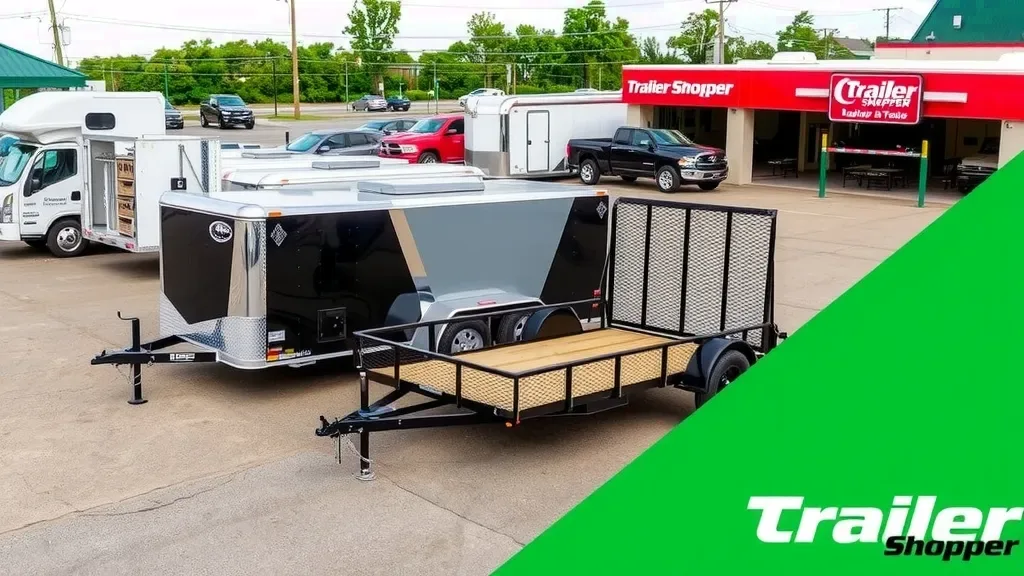
Our national network of dealers offers trailers from a variety of top manufacturers, including R&R Trailers, 4 Star Trailers, and ALCOM. These manufacturers are known for their high-quality products, innovative designs, and excellent customer service. For example, R&R Trailers offers a range of utility trailers with features such as mesh or solid sides, ramp gates, and tie-down points, while 4 Star Trailers specializes in horse and livestock trailers with premium materials and craftsmanship.
Buyer Demographics
Our data shows that utility trailer buyers in the Southern United States are predominantly male, aged 35-55, and live in rural or suburban areas. They are often farmers, landscapers, or small contractors who need a reliable and versatile trailer for their daily operations. Additionally, many buyers are individuals who enjoy outdoor activities such as hunting, fishing, or off-roading, and require a trailer to transport their equipment and gear.
Common Uses
Utility trailers are used for a variety of purposes, including hauling equipment, tools, and supplies for farming, landscaping, and construction projects. They are also used for recreational activities such as hauling ATVs, motorcycles, and boats. Our data shows that the most common uses for utility trailers in the Southern United States are:
- Farming and agriculture: 30%
- Landscaping and gardening: 25%
- Construction and building: 20%
- Recreational activities: 15%
- Other uses: 10%
Profit Margins and Best Sellers
Our data shows that utility trailers have an average profit margin of 15-20%, with some dealers reporting margins as high as 30%. The best-selling utility trailers in the Southern United States are typically those with a GVWR of 3,000-5,000 pounds and a size range of 6x10 to 7x14 feet. These trailers are in high demand due to their versatility and ability to handle a variety of tasks.
Accessories to Upsell
There are several accessories that dealers can upsell to utility trailer buyers, including:
- Ramps and loading equipment
- Tie-downs and straps
- Toolboxes and storage containers
- Lighting and electrical systems
- Custom paint and graphics
Conclusion
In conclusion, utility trailers are a vital part of the trailer industry in the Southern United States, with thousands of dealers nationwide offering a wide range of models to suit every need. By understanding the specifications, pricing tiers, top manufacturers, buyer demographics, common uses, profit margins, best sellers, and accessories to upsell, dealers can better serve their customers and increase their sales. At Trailer Shopper, we are committed to providing our dealers with the tools and resources they need to succeed, including our national network, technology, and marketing materials.
As the trailer industry continues to evolve, it's essential for dealers to stay ahead of the curve and adapt to changing market trends. By partnering with Trailer Shopper, dealers can tap into our expertise and resources to drive sales and growth.
— Trailer Shopper Intelligence Desk