Introduction
The US trailer market is poised for significant growth in 2026, with a projected increase of 7.9% despite challenges posed by tariffs on steel and aluminum. According to our data, the market is valued at $69.7 billion, up from $64.6 billion in 2025. This growth is driven by increasing demand for e-commerce freight, smart trailers, and cold chain logistics.
Demand Outlook
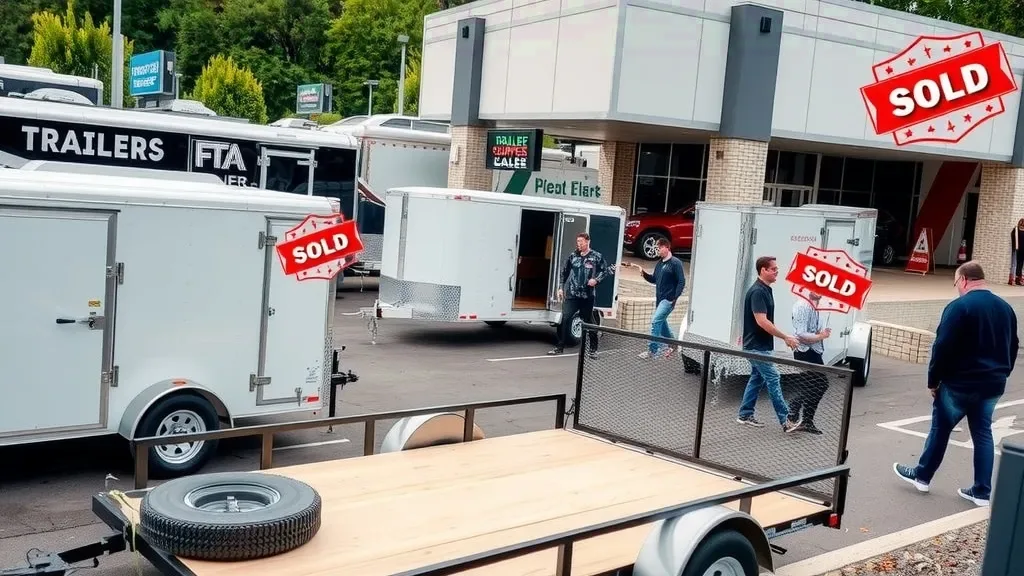
Our analysis shows that the demand for trailers is expected to surge in the spring season, particularly for dump trailers, which see a 40% increase in demand during April and May. This is largely driven by the construction boom and the need for equipment transportation. Additionally, the rise of e-commerce has led to an increase in demand for cargo trailers, which are used to transport goods across the country.
Pricing Predictions
Despite the growth in demand, the trailer market is facing challenges due to tariffs on steel and aluminum, which have resulted in increased costs for manufacturers. The average price of a trailer is expected to be around $10,793, with a median price of $7,595. However, prices can range from $750 to $77,620, depending on the type and size of the trailer.
Supply Chain Status
The supply chain for trailers is complex and involves multiple stakeholders, including manufacturers, dealers, and suppliers. Our data shows that the top states for trailer listings are Florida, Georgia, Rhode Island, Illinois, and Maryland, indicating a high concentration of dealers and suppliers in these regions.
Growth Areas
There are several growth areas in the trailer market, including the demand for smart trailers, which are equipped with advanced technology such as GPS tracking and sensors. Additionally, the rise of e-commerce has led to an increase in demand for cargo trailers, which are used to transport goods across the country. Our data also shows that the demand for dump trailers is expected to surge in the spring season, making it a key growth area for manufacturers and dealers.
Risks
Despite the growth in demand, the trailer market is facing several risks, including the impact of tariffs on steel and aluminum, which have resulted in increased costs for manufacturers. Additionally, the market is highly competitive, with thousands of dealers nationwide competing for market share. Our data also shows that the industry has significant technology gaps, with many dealers lacking a strong online presence and relying on outdated marketing strategies.
Opportunities for Dealers
Despite the challenges, there are several opportunities for dealers in the trailer market. Our data shows that dealers who invest in technology and marketing are more likely to succeed, with a strong online presence and effective marketing strategies key to attracting customers. Additionally, dealers who specialize in niche areas such as smart trailers or cargo trailers are more likely to stand out in a crowded market.
Trailer Shopper's Role
At Trailer Shopper, we are committed to providing dealers with the tools and resources they need to succeed in the trailer market. Our platform provides dealers with a range of marketing materials, including banners, business cards, and brochures, as well as access to our national network of dealers and suppliers. Our technology also provides dealers with the ability to manage their inventory and listings, as well as track their sales and marketing efforts.
Conclusion
In conclusion, the US trailer market is expected to grow 7.9% in 2026, driven by increasing demand for e-commerce freight and smart trailers. Despite challenges posed by tariffs on steel and aluminum, there are several growth areas in the market, including the demand for smart trailers and cargo trailers. Dealers who invest in technology and marketing are more likely to succeed, and our platform is committed to providing them with the tools and resources they need to succeed.
— Trailer Shopper Intelligence Desk