Introduction
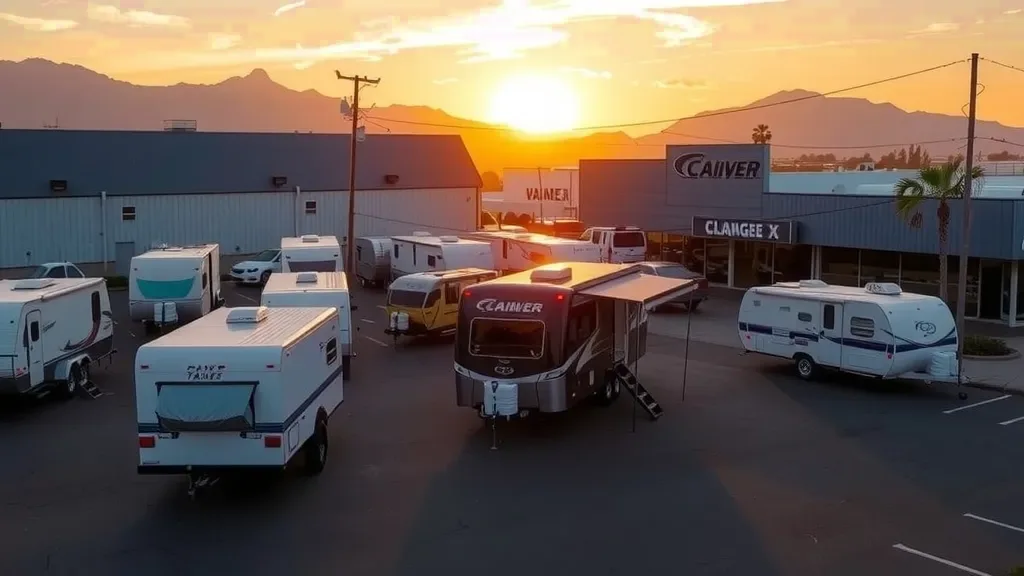
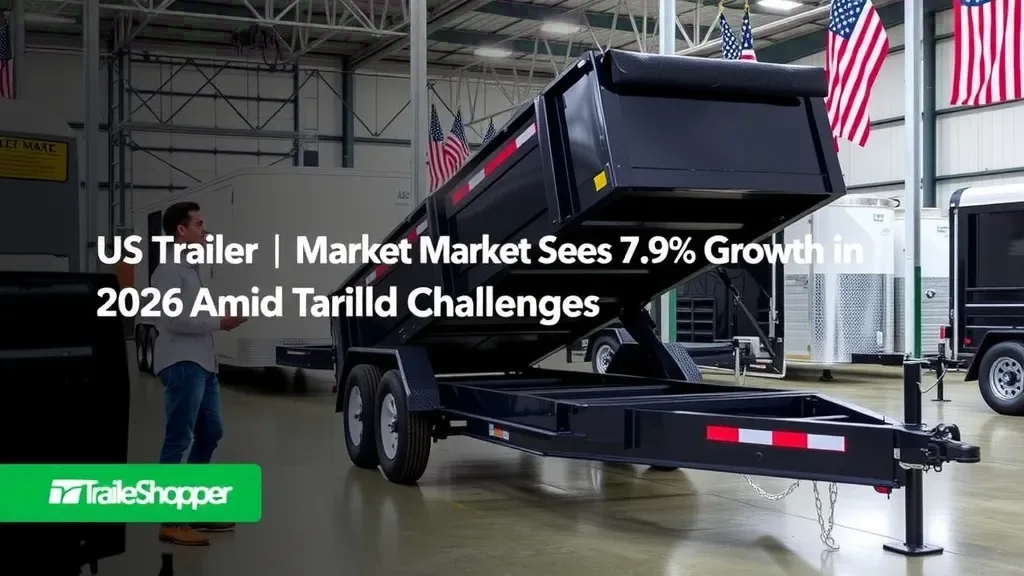
The US trailer market is experiencing significant growth, with a projected value of $69.7 billion in 2026, up from $64.6 billion in 2025. This represents a growth rate of 7.9%, driven by increasing demand for e-commerce freight, smart trailers, and cold chain logistics. However, the industry is also facing challenges, particularly with regards to tariffs on steel and aluminum, which are squeezing margins and affecting dealer operations.
Market Opportunity
Our data shows that the trailer market is a significant opportunity for dealers, with thousands of dealers nationwide participating in the market. The nation's largest selection of trailers is available, and dealers are looking for ways to capitalize on the growing demand. However, with the current tariff situation, dealers must be strategic in their pricing and inventory management to maintain profitability.
What to Stock
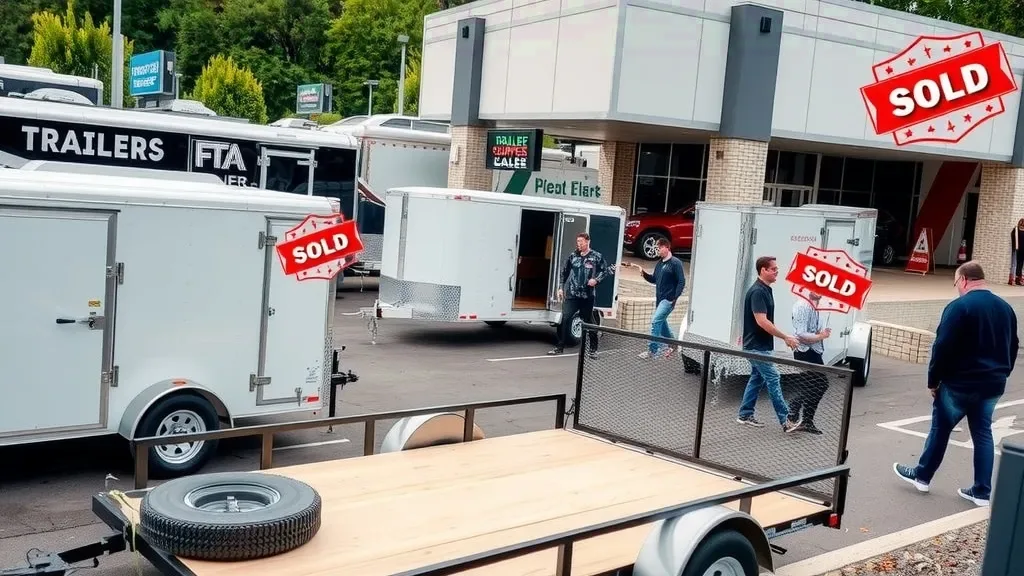
Based on our analysis, enclosed cargo trailers, dump trailers, and horse trailers are in high demand, particularly in the Southeast region. These trailers are essential for commercial and recreational use, and dealers should consider stocking a variety of models to meet the needs of their customers. Additionally, with the growth of e-commerce, there is an increasing demand for trailers that can accommodate large and heavy loads.
Pricing Strategy
With the current tariff situation, dealers must be careful with their pricing strategy. Our data shows that the average trailer listing price is $11,834, and dealers should consider this when setting their prices. However, with the tariffs on steel and aluminum, dealers may need to raise their prices to maintain profitability. It's essential to balance pricing with the need to remain competitive in the market.
Marketing Tips
To succeed in the trailer market, dealers need to have a solid marketing strategy. This includes utilizing online platforms, such as Trailer Shopper, to reach a wider audience. Our technology and human touch can help dealers create effective marketing campaigns, including banners, business cards, brochures, and apparel. Additionally, dealers should consider leveraging social media and email marketing to engage with their customers and promote their inventory.
Competitive Landscape
The trailer market is highly competitive, with thousands of dealers nationwide competing for customers. To stand out, dealers need to focus on providing excellent customer service, offering a wide range of trailers, and utilizing effective marketing strategies. Our national network of dealers can provide valuable insights and support to help dealers succeed in the market.
Regulations to Know
Dealers need to be aware of the various regulations that affect the trailer industry. For example, California has the lowest threshold for trailer brakes, at 1,500 lbs, while other states have higher thresholds. Additionally, some states require annual inspections, while others do not. Dealers should familiarize themselves with the regulations in their state and ensure that their trailers comply with all relevant laws and regulations.
Trailer Length Limits
Dealers should also be aware of the trailer length limits in their state. For example, Florida and Georgia allow trailers up to 48ft in length, while other states have lower limits. This is essential for commercial buyers who need to purchase trailers that can accommodate large loads.
Conclusion
In conclusion, the US trailer market is experiencing significant growth, driven by increasing demand for e-commerce freight, smart trailers, and cold chain logistics. However, the industry is also facing challenges, particularly with regards to tariffs on steel and aluminum. Dealers need to be strategic in their pricing and inventory management, and utilize effective marketing strategies to succeed in the market. By understanding the market opportunity, what to stock, pricing strategy, marketing tips, competitive landscape, and regulations to know, dealers can capitalize on the growing demand and maintain profitability.
At Trailer Shopper, we are committed to providing our dealers with the tools and support they need to succeed in the market. Our technology, human touch, and business systems can help dealers create effective marketing campaigns, manage their inventory, and comply with all relevant laws and regulations.
- Utilize online platforms, such as Trailer Shopper, to reach a wider audience
- Leverage social media and email marketing to engage with customers and promote inventory
- Focus on providing excellent customer service and offering a wide range of trailers
- Familiarize yourself with regulations in your state and ensure compliance
- Consider the trailer length limits in your state when purchasing or selling trailers
— Trailer Shopper Intelligence Desk