Introduction
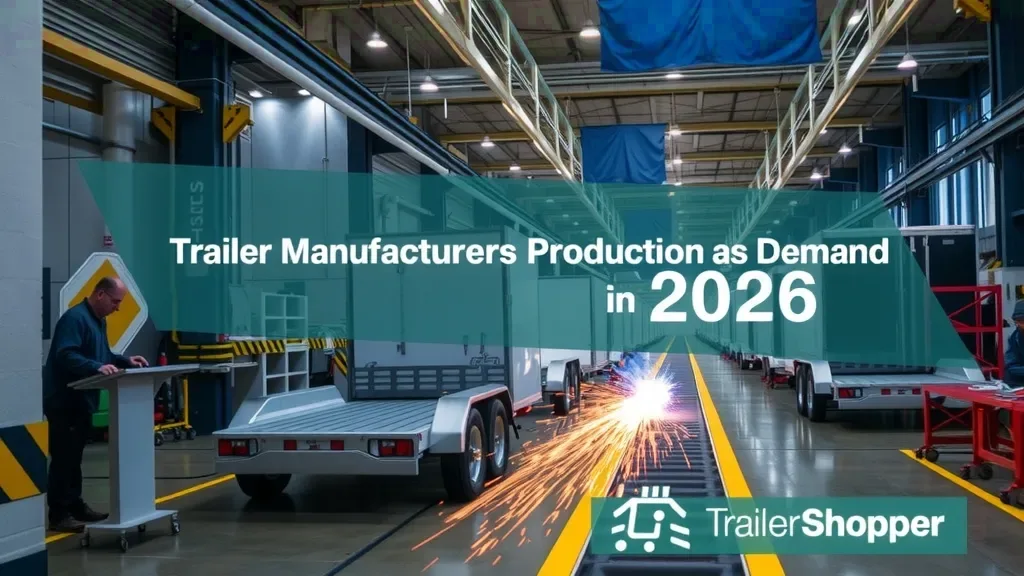
The US trailer market is experiencing significant growth, with a value of $69.7 billion in 2026, up from $64.6 billion in 2025. This growth is driven by the increasing demand for e-commerce freight, smart trailers, and cold chain logistics. However, the market is also facing challenges due to the 50% Section 232 tariffs on steel and aluminum, which are squeezing margins for dealers. In this article, we will provide a comprehensive guide for trailer dealers to navigate this market and make informed decisions.
Market Opportunity
Our data shows that the trailer market is growing rapidly, with a 7.9% increase in value from 2025 to 2026. This growth is driven by the increasing demand for trailers in various industries, including e-commerce, construction, and agriculture. As a dealer, it is essential to understand the market trends and adjust your inventory and pricing strategies accordingly.
The growth in the trailer market is also driven by the increasing demand for smart trailers, which are equipped with advanced technology such as GPS, sensors, and telematics. These trailers provide real-time data and insights, enabling fleet owners to optimize their operations and improve efficiency.
What to Stock
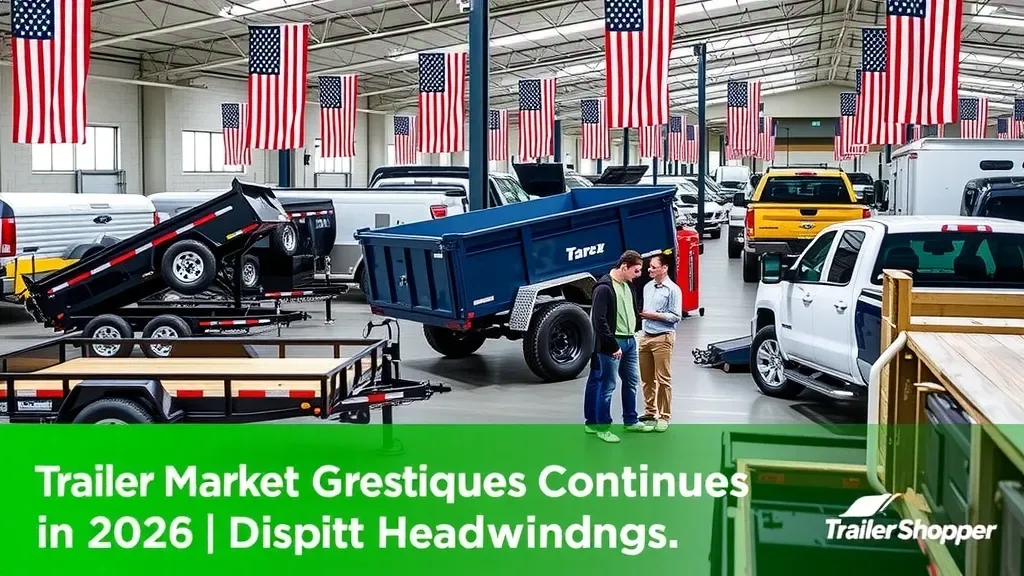
As a dealer, it is crucial to stock the right types of trailers to meet the growing demand. Our data shows that cargo trailers, dump trailers, and horse trailers are in high demand, particularly in the Southeast region. It is essential to have a diverse inventory that caters to different industries and customer needs.
In addition to the type of trailer, it is also important to consider the size and specifications of the trailers. Our data shows that trailers with a length of 48 feet or more are in high demand, particularly in states such as Florida and Georgia, which have more generous length limits.
Pricing Strategy
The 50% Section 232 tariffs on steel and aluminum have increased the cost of building trailers, making it challenging for dealers to maintain their margins. Our data shows that the cost of aluminum has doubled from $1.20 per pound to $2.45 per pound in just 14 months. As a dealer, it is essential to adjust your pricing strategy to reflect these increased costs.
It is recommended to raise prices to protect margins, while also considering the competitive landscape and customer demand. Our data shows that the average trailer listing price is $12,891, and dealers should aim to price their trailers competitively while maintaining a healthy profit margin.
Marketing Tips
As a dealer, it is crucial to have an effective marketing strategy to attract customers and drive sales. Our data shows that thousands of dealers nationwide are using our platform to list their trailers and reach a wider audience.
We recommend using a combination of online and offline marketing channels, including social media, email marketing, and print advertising. Our platform provides a range of marketing materials, including banners, business cards, brochures, and apparel, which can be customized to fit your brand and marketing strategy.
Competitive Landscape
The trailer market is highly competitive, with thousands of dealers nationwide competing for customers. Our data shows that the top states for trailer listings are Florida, Georgia, and Illinois, which have a high concentration of dealers and customers.
To stay competitive, it is essential to have a strong online presence, including a website and social media accounts. Our platform provides a range of tools and resources to help dealers manage their online presence and attract more customers.
Regulations to Know
As a dealer, it is essential to be aware of the regulations and laws that govern the trailer industry. Our data shows that there are significant variations in brake requirements and trailer inspection regulations across different states.
For example, California has the strictest brake requirements, with a threshold of 1,500 pounds, while other states such as Wisconsin and Texas have more lenient requirements. It is crucial to understand these regulations and ensure that your trailers comply with the relevant laws and regulations.
Conclusion
In conclusion, the US trailer market is experiencing significant growth, driven by the increasing demand for e-commerce freight, smart trailers, and cold chain logistics. However, the market is also facing challenges due to the 50% Section 232 tariffs on steel and aluminum, which are squeezing margins for dealers.
As a dealer, it is essential to understand the market trends, adjust your inventory and pricing strategies accordingly, and have an effective marketing strategy to attract customers and drive sales. Our platform provides a range of tools and resources to help dealers navigate this market and make informed decisions.
We are committed to providing our dealers with the best possible support and resources to help them succeed in this competitive market. With our technology, human touch, and business systems, we are the obvious industry partner for trailer dealers nationwide.
By following these tips and staying up-to-date with the latest market trends and regulations, dealers can navigate the challenges and opportunities in the trailer market and achieve success in 2026 and beyond.
— Trailer Shopper Intelligence Desk