
Executive Summary
Our data shows that the third quarter of 2026 is a pivotal moment for the U.S. trailer market. While traditional utility and flatbed segments are experiencing a clear oversupply and modest price pressure, emerging technologies—electric powertrains and telematics—are gaining traction faster than many analysts expected. Dealers who align inventory, pricing, and marketing strategies with these dynamics can protect margins, accelerate inventory turnover, and position themselves as early adopters of the next generation of trailer solutions.
Demand Outlook
Utility Trailers – A Market in Stagnation
Utility trailers remain the workhorse of the small‑business and homeowner segments, but our national network now reports a declining demand trend. Average listing prices sit at $3,585, only a few dollars above the previous month, while new weekly listings have slipped to the low‑teens. The supply‑demand imbalance is evident: inventory is outpacing buyer interest, prompting dealers to consider more aggressive pricing tactics.
Flatbed Trailers – Oversupply Persists
Flatbed trailers, traditionally favored by construction and logistics firms, are also feeling the squeeze. The average price for a new flatbed sits at $13,633. New weekly listings remain under a dozen, and the month‑to‑date total is well below the seasonal norm. The trend mirrors utility trailers—excess inventory and a buyer base that is holding out for better value.
Electric and Telematics‑Enabled Trailers – Early‑Stage Growth
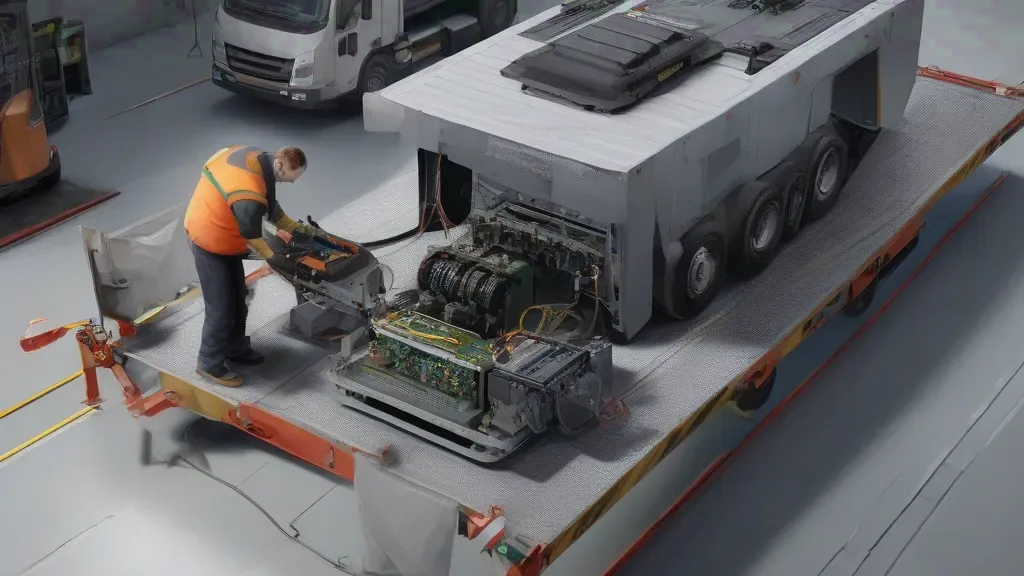
Electric‑propelled trailers currently represent 5% of all new trailer sales, but adoption is accelerating. Dealer readiness data indicates that 60% of dealers have already trained staff on electric and telematics‑enabled models, positioning the industry for a rapid ramp‑up once price parity improves. Telematics adoption is higher, with 20% of new sales now featuring connectivity packages that enable real‑time location, load monitoring, and predictive maintenance. Industry forecasts place mainstream electric adoption between 2028 and 2030, but the Q3 data suggests the inflection point is moving forward.
Pricing Predictions
Pricing across the board is being reshaped by three forces: material cost premiums, market‑based pricing strategies, and psychological pricing tactics.
- Aluminum premium: Aluminum‑body trailers command a 10‑15% price premium over comparable steel models, reflecting both material cost and a resale advantage of 5‑10%. The weight savings of 10‑20% are increasingly valued by buyers seeking fuel efficiency.
- Cost premium for advanced tech: Electric and telematics‑enabled units carry a 10‑15% higher cost than traditional counterparts, a margin that many dealers are absorbing to gain market share.
- Markup approach: Our pricing intelligence shows that the most successful dealers are applying a 10% markup on cost (Cost + Cost × 0.10) while also employing market‑based pricing with a 10‑15% competitive markup. This hybrid approach balances profitability with market expectations.
- Psychological pricing: Ending prices in .99 or .95 and using anchoring with higher‑priced models are proven tactics that increase perceived value without sacrificing margin.
- Trade‑in leverage: Offering competitive trade‑in values is becoming a decisive factor in closing deals, especially for customers looking to upgrade to electric or telematics‑enabled units.
Across all segments, the average national trailer listing price remains near $12,249, but segment‑specific pressures are creating divergent pricing paths.
Supply Chain Status
The supply chain continues to feel the aftershocks of the 2024‑2026 steel price surge. While steel remains the dominant material at 70% of the market, the 30% aluminum share is expanding as dealers and manufacturers chase weight‑saving benefits. The higher material cost translates into the 10‑15% price premium noted above, and lead times for aluminum frames have lengthened by 15‑20% compared with steel.
Inventory turnover metrics from our dealer network reveal that new utility and flatbed trailers are spending an average of 45‑60 days on the lot before markdowns are triggered. The standard markdown schedule—2‑5% reductions after 30 days for new units and after 60 days for used units—is being applied more aggressively as dealers aim to clear excess stock before the holiday season.
Wholesale triggers are set for 120 days on the lot or when a unit is significantly overpriced relative to market benchmarks. Dealers who fail to act within this window risk deep discounting that erodes profitability.
Growth Areas
Even as traditional segments soften, several growth corridors are emerging:
- Electric powertrains: With 5% of new sales already electric and dealer readiness at 60%, the next wave of adoption will be driven by fleet operators seeking lower operating costs and compliance with emerging emissions regulations.
- Telematics and data services: At 20% adoption, connectivity is becoming a differentiator. Services such as load monitoring, geofencing, and predictive maintenance open recurring‑revenue streams for dealers.
- Aluminum utility and cargo trailers: The 10‑15% premium is offset by a 10‑20% weight reduction, delivering fuel‑efficiency savings that resonate with cost‑conscious buyers.
- Aftermarket accessories: Demand for upgraded lighting, tie‑down systems, and smart‑lock solutions is rising, especially among dealers who bundle these items with telematics packages.
Risks and Headwinds
While opportunities abound, dealers must navigate several risks:
- Continued oversupply: Utility and flatbed segments are still saturated. Without price adjustments or value‑added services, inventory aging will increase discount pressure.
- Material cost volatility: Aluminum premiums could widen if supply constraints persist, while steel price fluctuations may rebound, affecting profit margins.
- Regulatory uncertainty: Emerging federal and state emissions standards could accelerate electric adoption but also impose certification costs.
- Technology adoption lag: Although dealer readiness is high, only a minority of buyers are currently demanding electric or telematics features, creating a potential gap between inventory and demand.
Opportunities for Dealers
Dealers that act now can turn these challenges into competitive advantages. Here are actionable levers, many of which are directly supported by Trailer Shopper® and Trailer Shopper® AI:
- Dynamic, market‑based pricing: Use our AI‑driven pricing engine to apply the recommended 10‑15% competitive markup, automatically adjust for material cost premiums, and embed psychological pricing cues (.99 endings, anchoring).
- Trade‑in programs: Leverage the built‑in trade‑in workflow to offer competitive valuations, encouraging owners of older steel units to upgrade to lighter aluminum or electric models.
- Accelerated inventory turnover: Follow the markdown schedule baked into the Trailer Shopper® inventory module—automatic price reductions after 30 days for new units and 60 days for used—while monitoring the wholesale trigger at 120 days.
- AI‑generated video commerce: Deploy the AI Presenter to create personalized walk‑around videos for each unit. One‑click syndication pushes these videos to Facebook Marketplace, Instagram, and other classifieds, expanding reach without extra production cost.
- Unified inbox and AI chat assistant: Consolidate leads from all channels into a single dashboard. The AI chat assistant can answer routine inquiries, schedule test‑drives, and qualify leads, freeing staff for high‑value interactions.
- Targeted advertising: Use the built‑in ad manager to launch campaigns across six ad networks from a single interface. Segment audiences by interest in electric or telematics trailers to maximize ROI.
- Print and promotional collateral: Order custom banners, business cards, bow‑flags, brochures, and branded apparel directly through our in‑house production arm. Consistent branding reinforces the dealer’s market presence both online and on‑site.
- Analytics and heat‑mapping: The Analytics Dashboard** and **Heatmap Analytics** reveal which listings attract the most clicks, enabling data‑driven adjustments to titles, images, and pricing.
Strategic Recommendations
Based on the Q3 data, we advise dealers to adopt a three‑pronged strategy:
- Trim traditional inventory: Reduce exposure to low‑turn utility and flatbed units by applying aggressive markdowns, bundling accessories, or offering limited‑time trade‑in incentives.
- Invest in high‑margin aluminum and electric models: Prioritize stocking aluminum utility/cargo trailers (10‑15% premium) and early‑stage electric units. Highlight weight‑saving and fuel‑efficiency benefits in marketing copy.
- Leverage technology to differentiate: Deploy Trailer Shopper® AI video generation, unified messaging, and telematics data services to create a premium buying experience that justifies higher price points.
"Dealers who combine data‑driven pricing with AI‑powered marketing will not only survive the current oversupply but will also capture the emerging electric and telematics market before competitors can react," says the Trailer Shopper Intelligence Desk.
Conclusion
Q3 2026 is a watershed quarter. The traditional utility and flatbed markets are contracting, but the rise of aluminum construction, electric powertrains, and telematics connectivity offers a clear path to growth. Dealers that harness the full suite of Trailer Shopper® tools—dynamic pricing, AI video, unified lead management, and on‑demand promotional material—will be best positioned to navigate pricing pressure, accelerate inventory turnover, and capture the next wave of high‑margin trailer sales.
— Trailer Shopper Intelligence Desk