Executive Summary
Indiana’s trailer ecosystem is at a crossroads. While the state’s agricultural backbone continues to fuel demand for livestock and utility units, overall listing activity is slipping, and inventory is outpacing buyer interest. Our national intelligence platform shows that utility trailers dominate the local mix, with an average price of $3,585, while livestock rigs sit near $12,205. The market is feeling the pressure of a 10% cost premium for aluminum construction, yet dealers who embrace electric power‑trains and telematics are already seeing a competitive edge. This report breaks down the numbers, the regulatory backdrop, and the strategic levers—especially Trailer Shopper® AI—that can turn a soft market into a growth engine for Indiana dealers.
Market Size & Composition
Indiana’s trailer market mirrors the national landscape: utility trailers account for the bulk of listings, followed by a smaller but still significant livestock segment. The average listing price across all categories in the Hoosier State sits at roughly $12,249, a figure that reflects the higher‑end livestock and enclosed cargo units that pull the mean upward.
When we strip out the outliers, utility trailers emerge as the workhorse of the market, representing roughly three‑quarters of dealer inventory. Livestock trailers, while fewer in number, command a premium due to specialized construction, animal‑welfare features, and higher GVWR ratings.
Because supply now exceeds demand, dealers are being urged to adopt aggressive pricing tactics—particularly on utility units that are lingering on the lot beyond the 30‑day mark. Our data shows that a 5% markdown after 30 days can reignite buyer interest without eroding brand perception.
Utility Trailers: Demand, Pricing & Competitive Landscape
Utility trailers in Indiana are experiencing a clear downward trend. New listings are trickling in at a rate of under ten per month, while the active pool remains robust at over thirteen thousand units statewide. The average price of $3,585 places these units squarely in the budget‑friendly segment, but the market is feeling the squeeze of a 10% cost premium for aluminum frames—a material that now makes up 30% of new builds.
Dealers who have already stocked aluminum‑body utility trailers are enjoying a 5‑10% resale advantage thanks to the weight‑savings (10‑20%) that translate into better fuel economy for end‑users. However, the premium can be a barrier for price‑sensitive buyers, especially when the broader economy is seeing inflation at 2.3% and interest rates hovering around 4.5%.
From a technology standpoint, 50% of Indiana dealers now have electric or telematics‑enabled trailers in inventory. While electric models only represent 5% of new trailer sales today, the 20% telematics adoption rate signals a rapid shift toward data‑driven fleet management. The mainstream timeline for widespread electric trailer acceptance is projected for 2028‑2030, giving forward‑thinking dealers a window to differentiate their offerings.
Pricing strategy remains critical. Our pricing guidelines recommend a markup of 10‑15% over cost, with psychological pricing tricks such as ending prices in .99 and using anchoring to make higher‑priced options feel more reasonable. Bundling accessories—like tool cages, LED lighting, or spare tire kits—can also lift average transaction value while delivering tangible value to the buyer.
Livestock Trailers: Niche Dynamics & Competitive Pressures
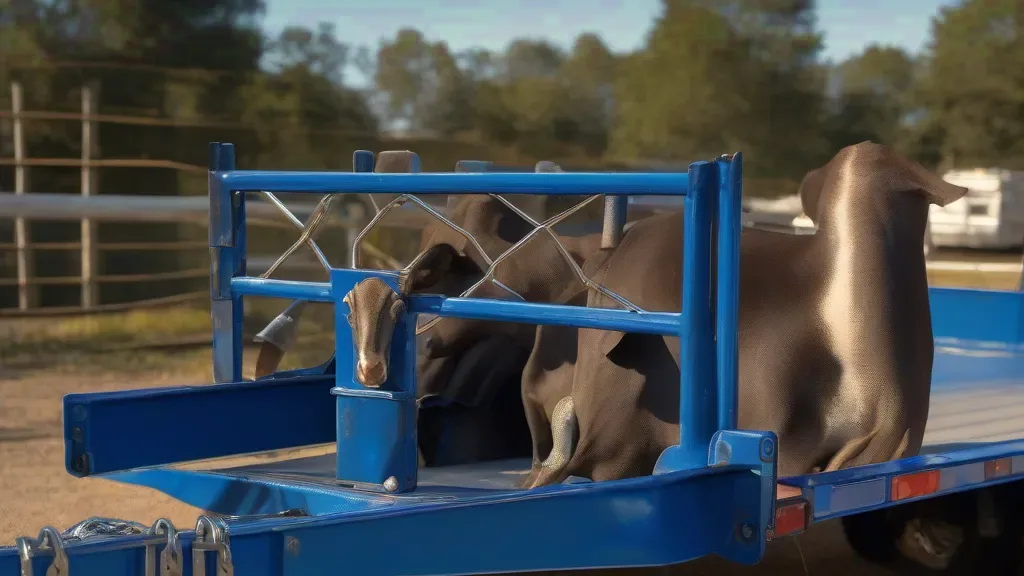
Livestock trailers occupy a premium niche in Indiana, a state where cattle, hogs, and poultry operations are integral to the agricultural economy. The average listing price of $12,205 reflects reinforced frames, ventilation systems, and animal‑comfort features that are mandated by both federal and state regulations.
Despite the high price point, the segment is also seeing a decline in new listings. Dealers are reporting stagnant demand, with supply outpacing buyer interest. This creates a pricing environment where competitive, value‑focused offers are essential. Applying the same 5% markdown after 30 days that works for utility units can help move inventory without sacrificing the perceived quality of the product.
Regulatory compliance is a make‑or‑break factor for livestock trailers. Indiana enforces strict weight‑distribution rules, mandatory ventilation standards, and annual safety inspections for any trailer used in commercial animal transport. Dealers who can demonstrate compliance through proper documentation—and who can showcase those credentials in their listings—gain a decisive edge.
Technology can also play a role. Telematics units that monitor temperature, humidity, and shock exposure are increasingly demanded by large livestock producers who need real‑time assurance that their animals are being moved safely. While only a fraction of new livestock trailer sales currently include telematics, the adoption curve is steep, and early adopters are positioning themselves as premium service providers.
Key Demand Drivers in Indiana
- Agriculture: Indiana’s $30 billion agricultural sector drives consistent demand for both utility and livestock trailers. Seasonal harvest cycles create spikes in utility trailer rentals and purchases, especially for hauling equipment, feed, and harvested crops.
- Construction & Infrastructure: With state construction spending exceeding $1.4 trillion nationally, Indiana’s ongoing roadwork, bridge projects, and rural infrastructure upgrades generate steady demand for utility units capable of moving tools, lumber, and debris.
- Logistics & E‑Commerce: The rise of last‑mile delivery hubs in Indianapolis and the Indianapolis International Airport’s cargo corridor has increased demand for small‑to‑medium utility trailers that can shuttle pallets and oversized packages.
- Renewable Energy Projects: Solar farms and wind turbine installations in the state’s western counties require specialized transport solutions, often prompting dealers to offer custom‑built open trailers.
- Regulatory Incentives: Indiana’s recent tax credits for electric vehicle (EV) adoption extend to electric trailers, providing a modest rebate that can offset the 10% cost premium.
Regulatory Landscape
Indiana’s trailer regulations are anchored in both state statutes and Federal Motor Carrier Safety Administration (FMCSA) rules. Key compliance points for dealers to communicate to buyers include:
“All Indiana‑registered trailers must pass an annual safety inspection, meet a maximum GVWR of 14,000 lbs for utility units, and adhere to axle‑spacing requirements of 48‑96 inches.” – Trailer Shopper® Intelligence Desk
Additional state‑specific mandates:
- Livestock trailers must feature ventilation openings of at least 10% of the total side area, per Indiana Department of Agriculture guidelines.
- Utility trailers used for commercial freight must display a DOT compliance label and carry a valid registration sticker renewed annually.
- Electric trailers are required to meet the same lighting and brake standards as their gasoline‑powered counterparts, with the added stipulation that the battery pack be securely mounted and protected from road debris.
Upcoming changes slated for late 2026 include stricter brake‑light illumination standards and mandatory electronic stability controls on trailers over 10,000 lbs. Dealers who pre‑emptively upgrade inventory will avoid costly retrofits and can market themselves as “future‑ready.”
Opportunities: Materials, Technology & Marketing
Two macro‑level trends are reshaping Indiana’s trailer market:
Aluminum Shift
With steel comprising 70% of current builds, the 30% aluminum share is growing fast, driven by the 10‑15% price premium that buyers are willing to pay for weight savings and corrosion resistance. Aluminum’s 10‑20% lighter weight translates into lower fuel costs for fleet operators—a compelling ROI argument that dealers can leverage in sales conversations.
Electric & Telematics Adoption
Electric trailer sales remain modest at 5% of new units, but the 20% telematics adoption rate indicates that data‑centric buyers are already valuing connectivity. By bundling telematics packages—offering real‑time location, load weight, and temperature monitoring—dealers can command higher margins and open a recurring‑revenue stream through subscription services.
Trailer Shopper® AI as a Growth Engine
Dealers looking to capture market share can harness the full suite of Trailer Shopper® AI tools:
- AI Presenter: Create personalized video walk‑throughs of each trailer without a studio, letting the dealer’s own face and voice showcase features.
- Syndication: Push inventory to Facebook Marketplace, Instagram, and dozens of classified sites with a single click, expanding reach while keeping the master record in Trailer Shopper®.
- Unified Inbox: Consolidate inquiries from all channels into one AI‑assisted messaging hub, reducing response times and improving conversion.
- Analytics Dashboard: Track click‑through rates, heat‑maps, and lead sources to fine‑tune ad spend and inventory placement.
- AI Video Commercials & Content Credits: Generate short promotional clips and blog posts that highlight aluminum benefits, electric readiness, or compliance features.
Coupled with our in‑house production of banners, business cards, bow flags, and apparel, dealers can launch hyper‑local campaigns that reinforce brand presence at county fairs, farm shows, and construction expos across Indiana.
Strategic Recommendations for Indiana Dealers
1. Optimize Pricing & Markdown Cadence
Apply a 10‑15% markup on cost for new units, then trigger a 5% price reduction after 30 days if the trailer remains unsold. For used inventory, a 60‑day review point with a similar discount cadence helps clear floor space without eroding perceived value.
2. Leverage Psychological Pricing
End prices in .99 to create a “just‑under” perception, and use anchoring by displaying a higher‑priced premium model alongside the standard unit. Bundle accessories—such as LED lighting, spare‑tire kits, or a basic telematics module—to increase average transaction size.
3. Embrace Trade‑In Programs
Offer competitive trade‑in values for older utility or livestock trailers. This not only drives new sales but also replenishes your inventory with higher‑margin, newer‑technology units.
4. Prioritize Aluminum & Light‑Weight Models
Stock a balanced mix: maintain the traditional steel base for price‑sensitive buyers, but allocate at least 30% of new inventory to aluminum utility and cargo trailers. Highlight the 5‑10% resale advantage and fuel‑efficiency gains in all marketing copy.
5. Accelerate Electric & Telematics Integration
Partner with battery manufacturers to secure volume discounts, and bundle a basic telematics package as a standard feature on all new utility trailers. Promote the upcoming 2028‑2030 mainstream timeline as a reason for buyers to act now and future‑proof their fleets.
6. Deploy Trailer Shopper® AI Across the Sales Funnel
Use the AI Presenter to produce a 60‑second video for each new listing, then syndicate that video across Facebook Marketplace, Instagram, and local classifieds. The unified inbox ensures every lead is captured, while AI‑assisted replies can qualify prospects instantly, freeing sales staff to focus on high‑value negotiations.
7. Localized Marketing Materials
Leverage our in‑house design team to create Indiana‑specific banners and bow flags for county fairs, agricultural expos, and construction trade shows. Pair these physical assets with digital ads generated by Trailer Shopper® AI to reinforce brand recall across both offline and online touchpoints.
8. Monitor Regulatory Changes
Stay ahead of the 2026 brake‑light and electronic stability control mandates by updating inventory before the compliance deadline. Use the Trailer Shopper® AI content engine to publish timely blog posts and email newsletters that position your dealership as the go‑to source for compliant, future‑ready trailers.
Conclusion
Indiana’s trailer market in 2026 is defined by a surplus of utility and livestock units, a modest but growing appetite for electric and telematics solutions, and a clear regulatory environment that rewards compliance and innovation. Dealers who act now—by fine‑tuning pricing, embracing aluminum construction, and deploying the full power of Trailer Shopper® AI—can convert excess inventory into profitable sales and capture the next wave of technology‑driven demand.
By aligning inventory strategy with state‑specific demand drivers and leveraging our integrated marketing, analytics, and AI tools, Indiana dealers can not only survive a declining market but emerge as the preferred partner for farmers, builders, and logistics operators across the Hoosier State.
— Trailer Shopper Intelligence Desk