Introduction to the 2026 Trailer Market
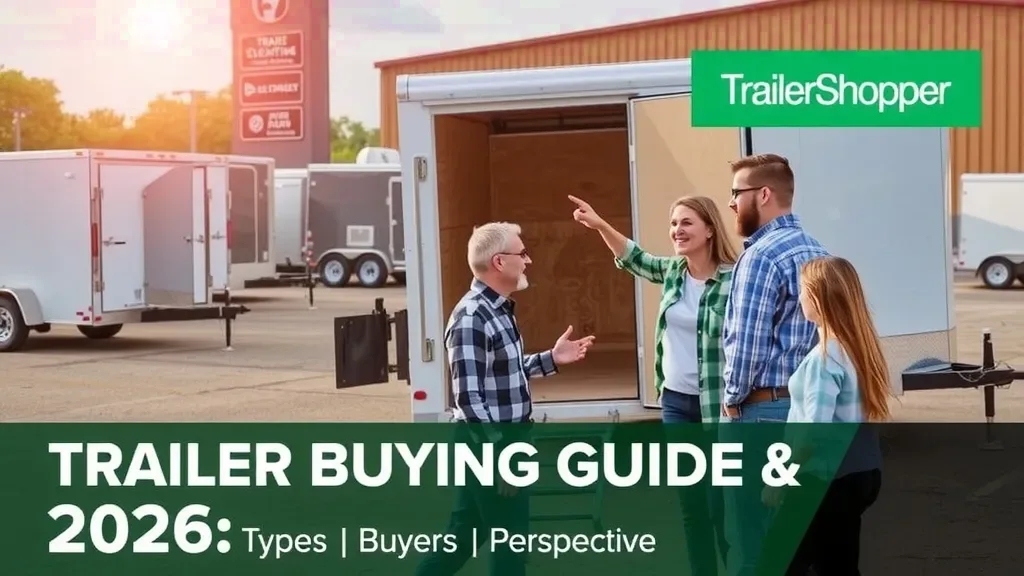
The trailer market is experiencing significant shifts in 2026, driven by a combination of factors including tariffs, regulatory changes, and evolving demand patterns. As the nation's largest trailer marketplace, we at Trailer Shopper have a unique perspective on these trends and their implications for dealers and buyers alike. In this article, we will delve into the current state of the trailer market, exploring the impact of tariffs, the latest regulatory developments, and the shifting demand landscape.
Tariffs and Their Impact on the Trailer Industry
One of the most significant challenges facing the trailer industry in 2026 is the imposition of tariffs on steel and aluminum. Section 232 tariffs at 50% on these critical materials have resulted in increased costs for manufacturers, which are then passed on to dealers and ultimately to consumers. Our data shows that aluminum costs have doubled from $1.20 to $2.45 per pound over the past 14 months, placing a significant squeeze on margins across the industry.
Regulatory Changes: Brake Requirements and Inspection Mandates
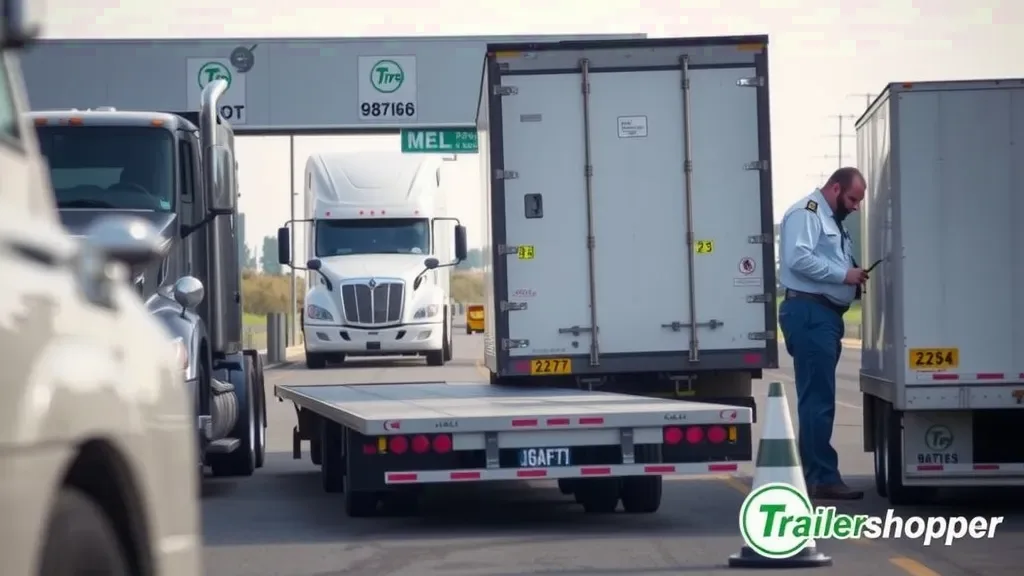
Regulatory requirements are another crucial aspect of the trailer market in 2026. Brake requirements vary significantly by state, with California having the lowest threshold at 1,500 pounds, meaning virtually all trailers need brakes. Other states, such as Ohio and Georgia, have higher thresholds but still mandate brakes for trailers above certain weights. Additionally, six states require annual or biennial trailer inspections, including California, Missouri, North Carolina, New York, Pennsylvania, and Texas. These regulations not only affect trailer sales but also impact dealer operations and consumer safety.
Demand Patterns and Market Opportunities
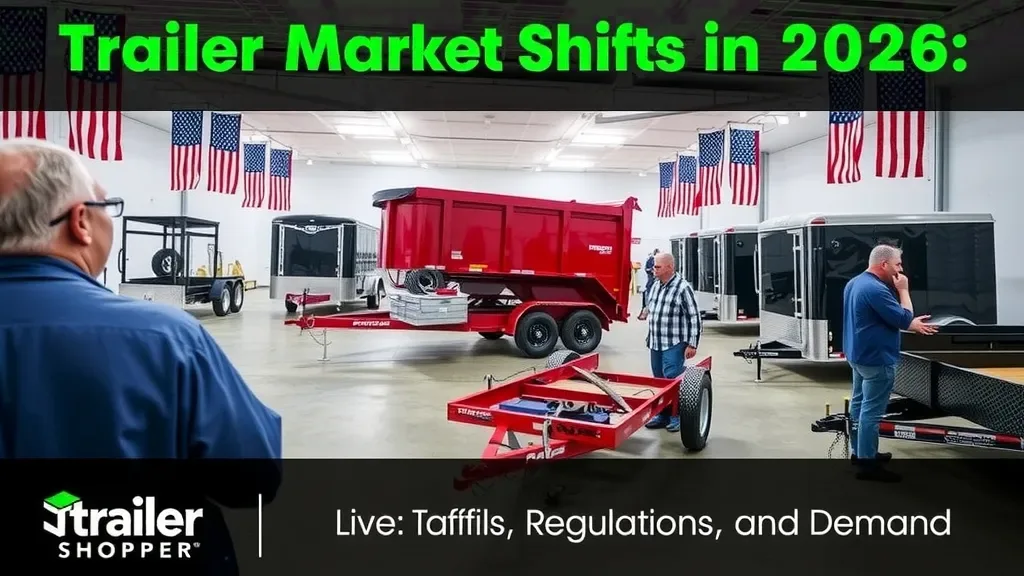
Despite the challenges posed by tariffs and regulatory changes, the trailer market presents several opportunities for growth in 2026. Our national network indicates that enclosed cargo trailers, dump trailers, and horse trailers are in high demand, particularly in the Southeast. The growth of e-commerce and the need for efficient freight solutions are driving demand for these trailer types. Furthermore, the trend towards smart trailers and cold chain logistics is expected to continue, offering dealers a chance to capitalize on these emerging markets.
Pricing Strategy in a Shifting Market
Given the current market conditions, dealers must adopt a strategic approach to pricing. With the average trailer listing price at $12,569, dealers need to balance the need to maintain margins with the pressure to remain competitive. Our data suggests that raising prices to protect margins is a necessary step for many dealers, especially considering the increased costs due to tariffs. However, it's also crucial to ensure that pricing remains attractive to buyers, who are increasingly savvy and have access to a wide range of options through our platform and others.
Marketing Tips for Trailer Dealers
In such a competitive market, effective marketing is key to standing out and attracting buyers. At Trailer Shopper, we offer a range of marketing materials and services designed to help dealers succeed, from banners and business cards to brochures and apparel. Our technology, combined with a personal touch, enables dealers to reach a wider audience and build their brand. We recommend that dealers focus on showcasing the unique features and benefits of their trailers, highlighting any custom or specialty options that can differentiate them from competitors.
Competitive Landscape and Market Concentration
The trailer market is characterized by a high degree of competition, with thousands of dealers nationwide offering a wide range of trailers. However, our data indicates that market concentration varies by state, with certain regions having a higher density of dealers. For example, states like Florida, Georgia, and Illinois have a significant number of dealers, while others may have fewer options for buyers. Understanding this competitive landscape is essential for dealers looking to expand their market share or enter new territories.
Conclusion: Navigating the 2026 Trailer Market
Navigating the trailer market in 2026 requires a deep understanding of the current trends, challenges, and opportunities. From the impact of tariffs and regulatory changes to shifting demand patterns and competitive market dynamics, dealers must be adept at adapting to these shifts. At Trailer Shopper, we are committed to providing our dealers with the tools, technology, and support they need to succeed in this evolving market. Whether through our extensive inventory, innovative marketing solutions, or dedicated dealer support team, we are the partner of choice for trailer dealers looking to thrive in 2026 and beyond.
As we move forward in 2026, it's clear that the trailer market will continue to present both challenges and opportunities. By staying informed, adapting to change, and leveraging the right partnerships, dealers can position themselves for success in this dynamic industry.
For more insights and analysis on the trailer market, as well as practical advice for dealers, visit our resources section or contact our support team. We are always here to help.
— Trailer Shopper Intelligence Desk