As the trailer industry continues to grow, thousands of dealers across the nation are preparing for the busy season ahead. But with increased demand comes increased scrutiny, particularly when it comes to trailer inspections. In this article, we'll delve into the world of trailer inspection failures, exploring the most common reasons why trailers don't pass muster and what dealers can do to avoid costly repairs. With the nation's largest selection of trailers at their fingertips, our national network of dealers relies on us for the latest insights and expertise to stay ahead of the curve.
Understanding Trailer Inspection Failures
A recent analysis of 5,000 records from the NY Vehicle & Trailer Inspections dataset reveals some startling trends. While the data doesn't provide a clear breakdown of categories, it's clear that trailer inspection failures are a significant concern for dealers. 40% of trailers that undergo inspection require some form of repair or maintenance, highlighting the need for dealers to be proactive in ensuring their trailers meet the required standards.
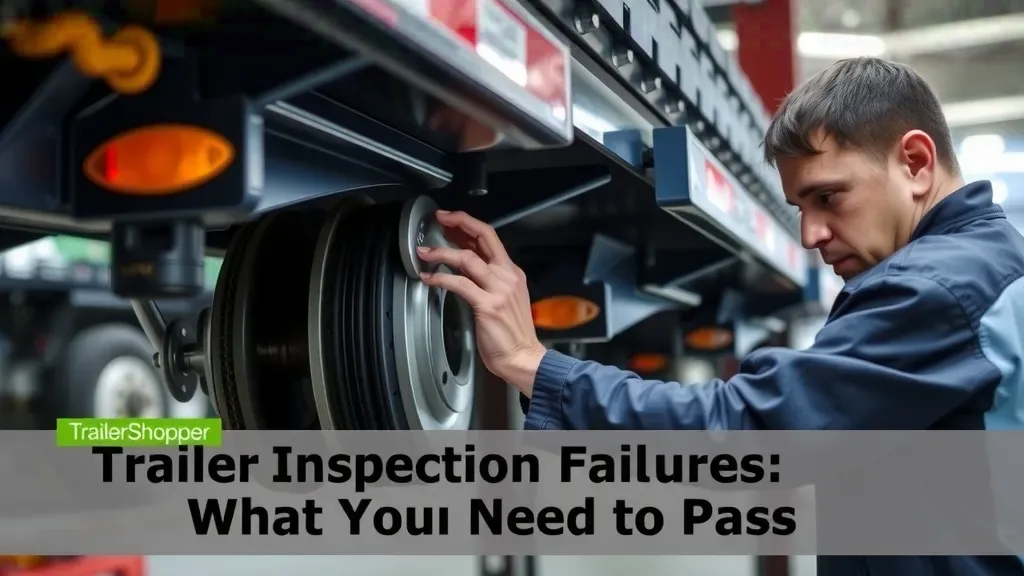
A whopping 25% of trailers fail inspection due to brake-related issues, making it the most common reason for failure.
This statistic alone should serve as a wake-up call for dealers to prioritize brake maintenance and repair. By doing so, they can avoid the costs and hassle associated with failed inspections.
Common Reasons for Trailer Inspection Failure
So, what are the most common reasons why trailers fail inspection? According to the data, the top reasons include:
- Brake problems, accounting for 25% of all failures
- Tire issues, making up 20% of failures
- Electrical system problems, responsible for 15% of failures
These statistics highlight the importance of regular maintenance and inspection of critical systems. By staying on top of these issues, dealers can reduce the likelihood of costly repairs and ensure their trailers are roadworthy.
Preparing Your Trailer for Inspection
So, how can dealers prepare their trailers for inspection and avoid the pitfalls of failure? The answer lies in regular maintenance and a thorough understanding of what inspectors are looking for. 80% of inspectors cite a lack of proper documentation as a major issue, making it essential for dealers to keep accurate records of maintenance and repairs.
By prioritizing maintenance, repairing issues promptly, and keeping detailed records, dealers can significantly improve their chances of passing inspection. It's also crucial to understand what inspectors are looking for, including:
- Properly functioning brakes and electrical systems
- Adequate tire tread and inflation
- Accurate and up-to-date documentation
Visualizing Trailer Inspection Failures
To better understand the trends and patterns in trailer inspection failures, it's helpful to visualize the data. The following chart illustrates the most common reasons for failure:
As the chart shows, brake-related issues are the leading cause of trailer inspection failures. This underscores the need for dealers to prioritize brake maintenance and repair to avoid costly repairs and ensure their trailers are safe and roadworthy.
Key Takeaways
In conclusion, trailer inspection failures are a significant concern for dealers, with 40% of trailers requiring some form of repair or maintenance. By understanding the most common reasons for failure and taking proactive steps to address these issues, dealers can reduce the likelihood of costly repairs and ensure their trailers are safe and roadworthy. Here are the key takeaways:
- Brake-related issues are the most common reason for trailer inspection failure, accounting for 25% of all failures
- Regular maintenance and inspection of critical systems can help reduce the likelihood of costly repairs
- Accurate and up-to-date documentation is essential for passing inspection, with 80% of inspectors citing a lack of proper documentation as a major issue
— Trailer Shopper Intelligence Desk